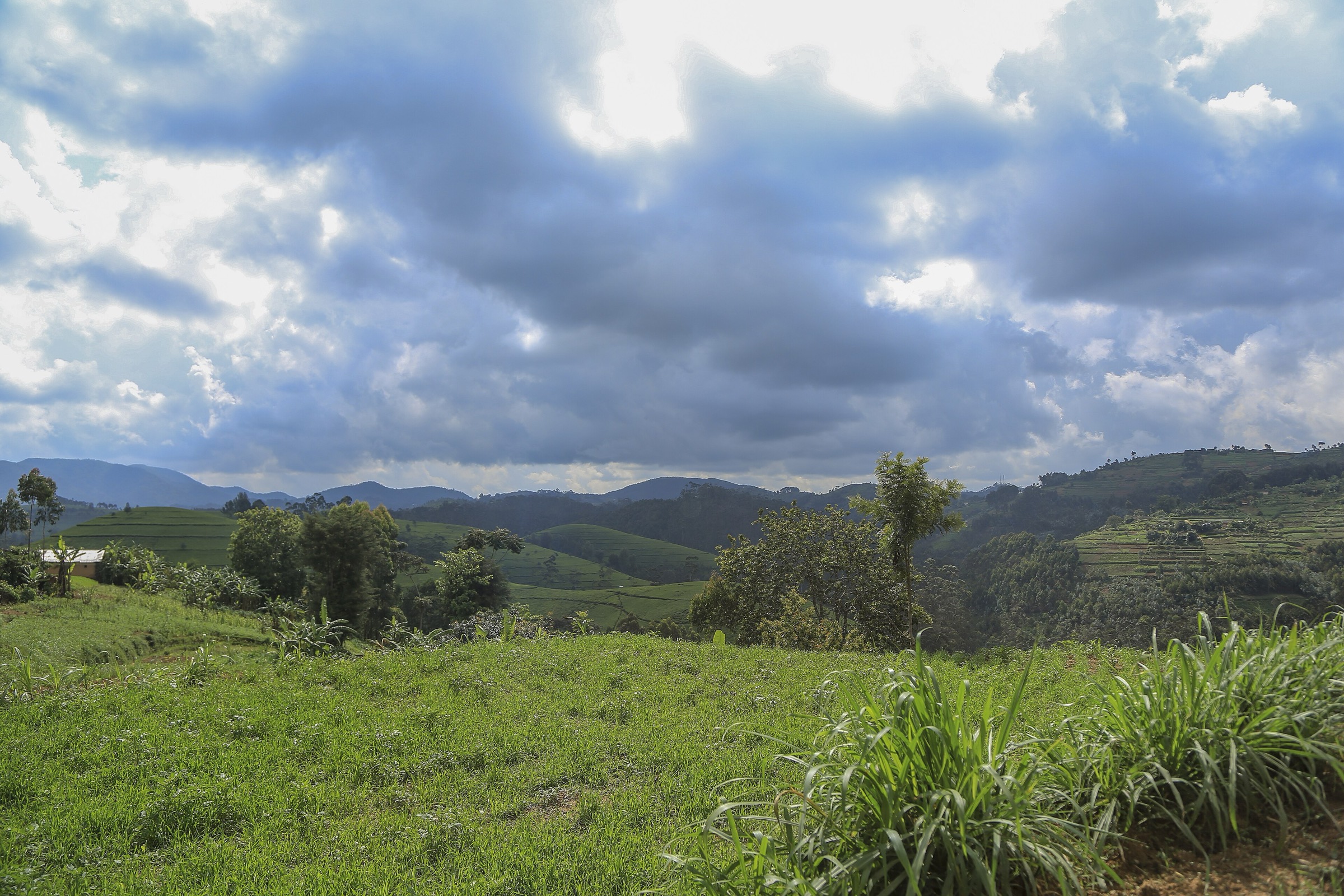
Healing, rebuilt into the health system
From the depths of 1994 to a health system that brings mental health care to every district, Rwanda’s journey shows what is possible when government, communities and partners work together.
Rwanda’s journey
Care that moved closer to people
Rwanda is one of the few low- and middle-income countries with a national plan for mental health, and one of the clearest examples of decentralised, community-rooted care.
- 1994
A nation confronts trauma
The Genocide against the Tutsi left deep and lasting psychological wounds. Mental health became a pillar of national reconstruction, with a dedicated mental health division created within the Ministry of Health.
- District level
Care in every district hospital
Services were decentralised from national referral hospitals, with psychiatric nurses and psychologists working in district hospitals across the country.
- Health centres
Task sharing in primary care
Through mentorship and supervision, primary care nurses at health centres now assess, treat and follow up people with mental health conditions, close to where they live.
- 2018
Evidence to guide action
The nationwide Rwanda Mental Health Survey, with more than 19,000 participants, measured the burden and the treatment gap, giving policy a firm foundation.
The evidence
Rwanda Mental Health Survey, 2018
More than 19,000 people took part in the first nationwide study of mental health in Rwanda, including 1,271 survivors of the Genocide against the Tutsi.
20.5%
of Rwandans live with a mental disorder
52.2%
of genocide survivors live with a mental disorder
61.7%
know mental health services exist
5.3%
have ever used those services
A word from the host
“Rwanda is honoured to host the 7th Global Ministerial Mental Health Summit. This is an opportunity to share our experience, learn from countries around the world and strengthen collaboration to improve mental health care.”
Plan your visit
Travelling to Kigali
Practical information for delegates. Accommodation, accreditation and venue details will be shared with registered participants.
Entry & visas
Rwanda offers visa on arrival to citizens of every country, and visa-free entry to many. Check the latest requirements with the Directorate General of Immigration and Emigration before you travel.
migration.gov.rwGetting there
Kigali International Airport (KGL) is about 10 km from the city centre, with direct connections across Africa, Europe and the Middle East.
Weather in late March
Spring-like days of roughly 17–27°C. March falls in the long rainy season, so pack a light layer and an umbrella.
Money & connectivity
The currency is the Rwandan franc (RWF). Cards and mobile money are widely accepted in Kigali, and 4G coverage is excellent.
Languages & time
Kinyarwanda, English, French and Kiswahili are official languages. Rwanda runs on Central Africa Time (UTC+2).
Good to know
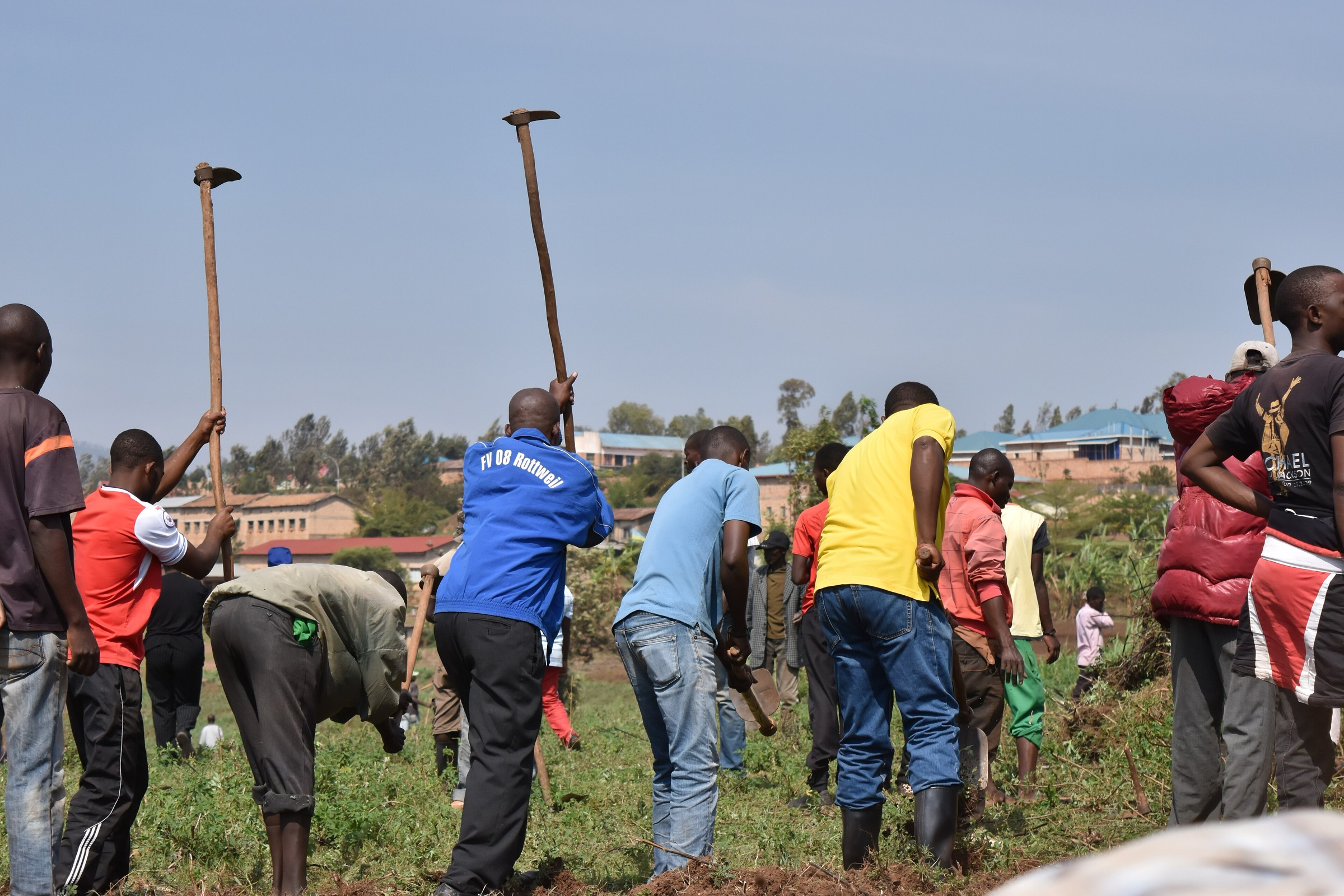
Single-use plastic bags are banned. On the last Saturday of the month (27 March 2027) Umuganda community work runs until about 11:00, and traffic and services pause.
Where to stay
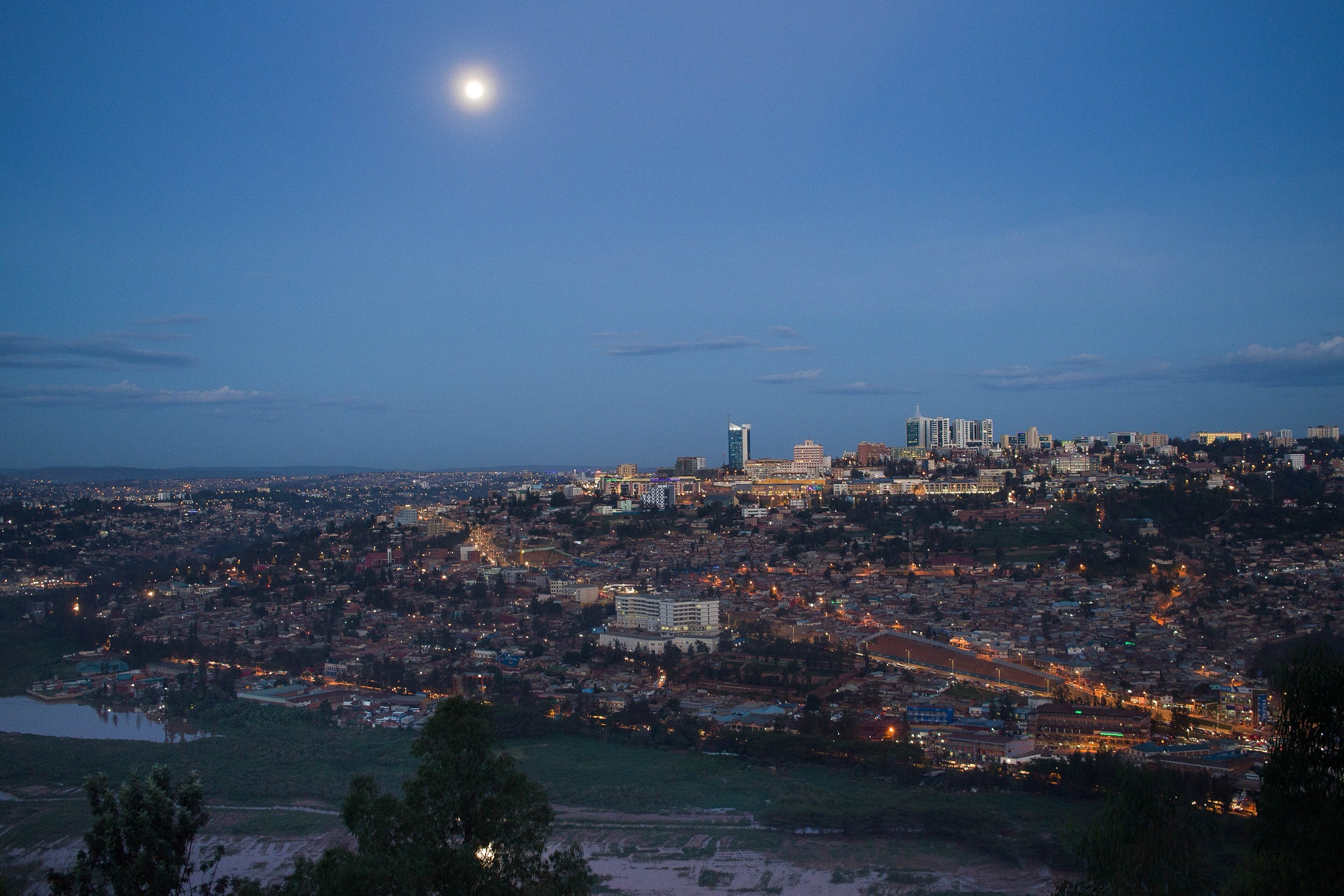
Hotels in Kigali
Kigali has a wide choice of international hotels, many within a short drive of the city’s conference district in Kimihurura. The venue, partner hotels and any delegate rates will be confirmed to registered participants.
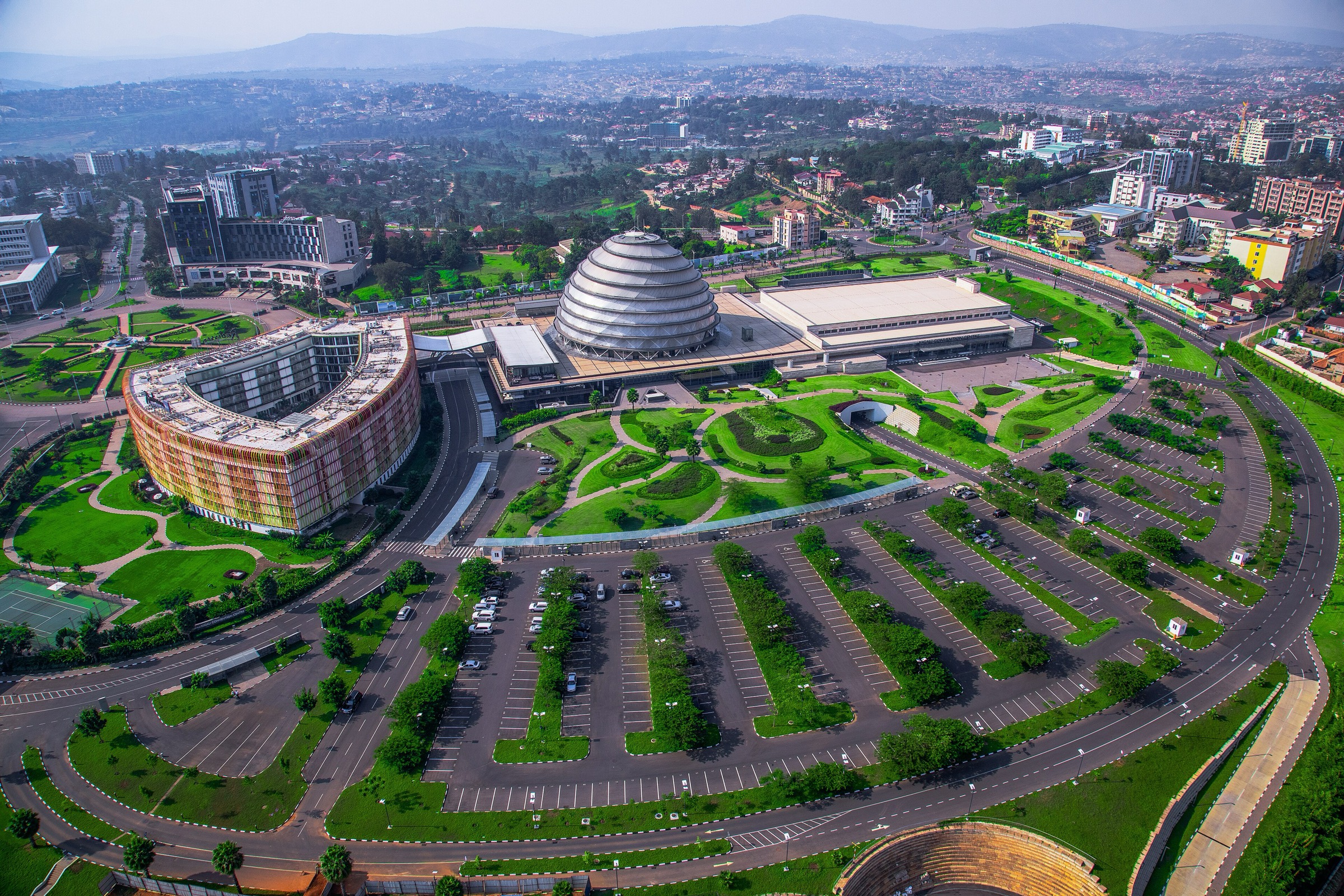
Radisson Blu Hotel & Convention Centre
Kimihurura, next to the Kigali Convention Centre
Kigali Marriott Hotel
Nyarugenge, city centre
Kigali Serena Hotel
Nyarugenge, city centre
Four Points by Sheraton Kigali
Kacyiru
Park Inn by Radisson Kigali
Kiyovu, city centre
Join us in Kigali
Register your interest to attend, partner, host a side event or cover the summit. We will be in touch as places and accreditation open.
30–31 March 2027 · Kigali, Rwanda