Skip to content

30–31 March 2027

7th Global Ministerial Mental Health Summit

Mental health for all

Transforming systems, expanding access, changing lives. Health ministers and partners from around the world meet in Kigali, the first summit of its kind on the African continent.

—days to go

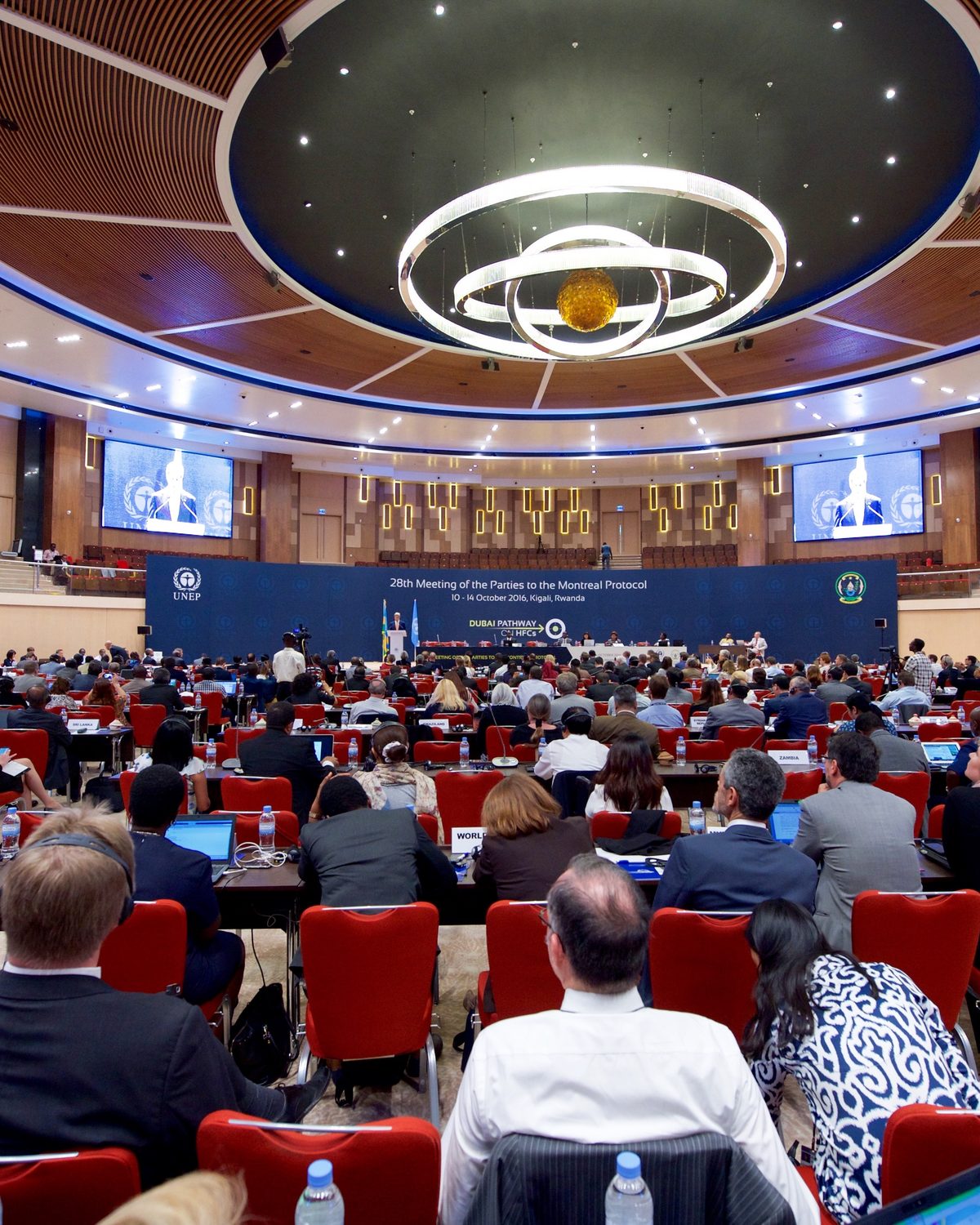
Delegates seated in the main auditorium of the Kigali Convention Centre during an international meeting

A first for Africa

After London, Amsterdam, Paris, Rome, Buenos Aires and Doha.

Dates
30–31 March 2027
Location
Kigali, Rwanda
Host
Government of Rwanda
Theme
Mental Health for All

Why it matters

One in eight people lives with a mental health condition, yet most never receive the care they need. The summit brings ministers, experts and people with lived experience together to close that gap.

About the summit
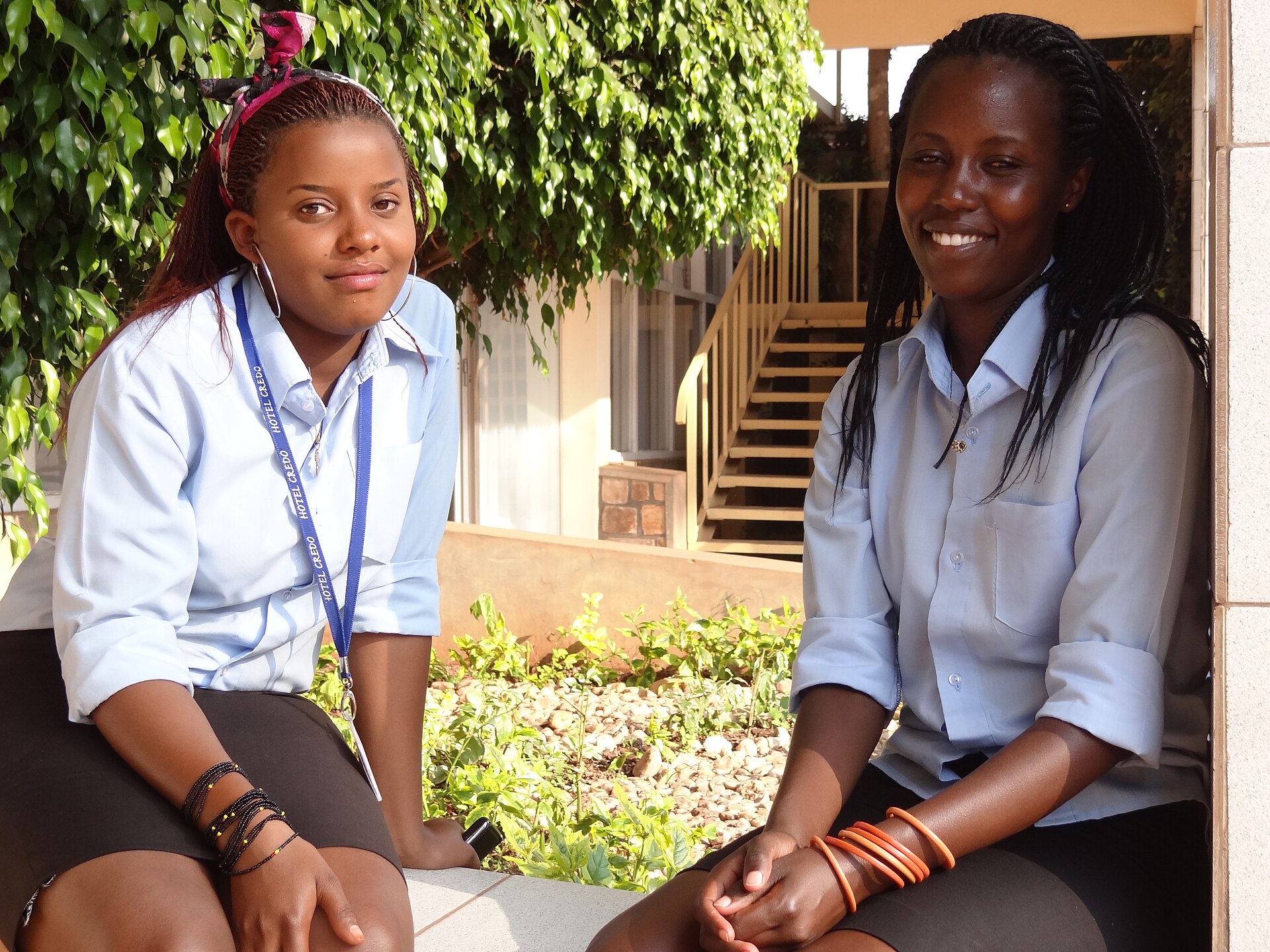
Two young women smiling, sitting together outdoors in Huye
“We believe mental health and well-being are fundamental to the prosperity and resilience of individuals, families and communities, and Rwanda’s experience has shown what is possible when government, communities and partners work together.”
Dr. Sabin NsanzimanaMinister of Health, Republic of Rwanda

The 2027 theme

One theme, three commitments

“Mental Health for All” asks every government the same question: what will it take for anyone, anywhere, to get the care they need?

Ndera Neuro-Psychiatric Hospital in Kigali, Rwanda’s national referral hospital for mental health

01

Transforming systems

Governance, legislation and sustainable domestic financing that place mental health at the core of national health systems, not at their margins.

  • Rights-based mental health legislation
  • Measurable targets and domestic budgets
  • Accountability for past commitments

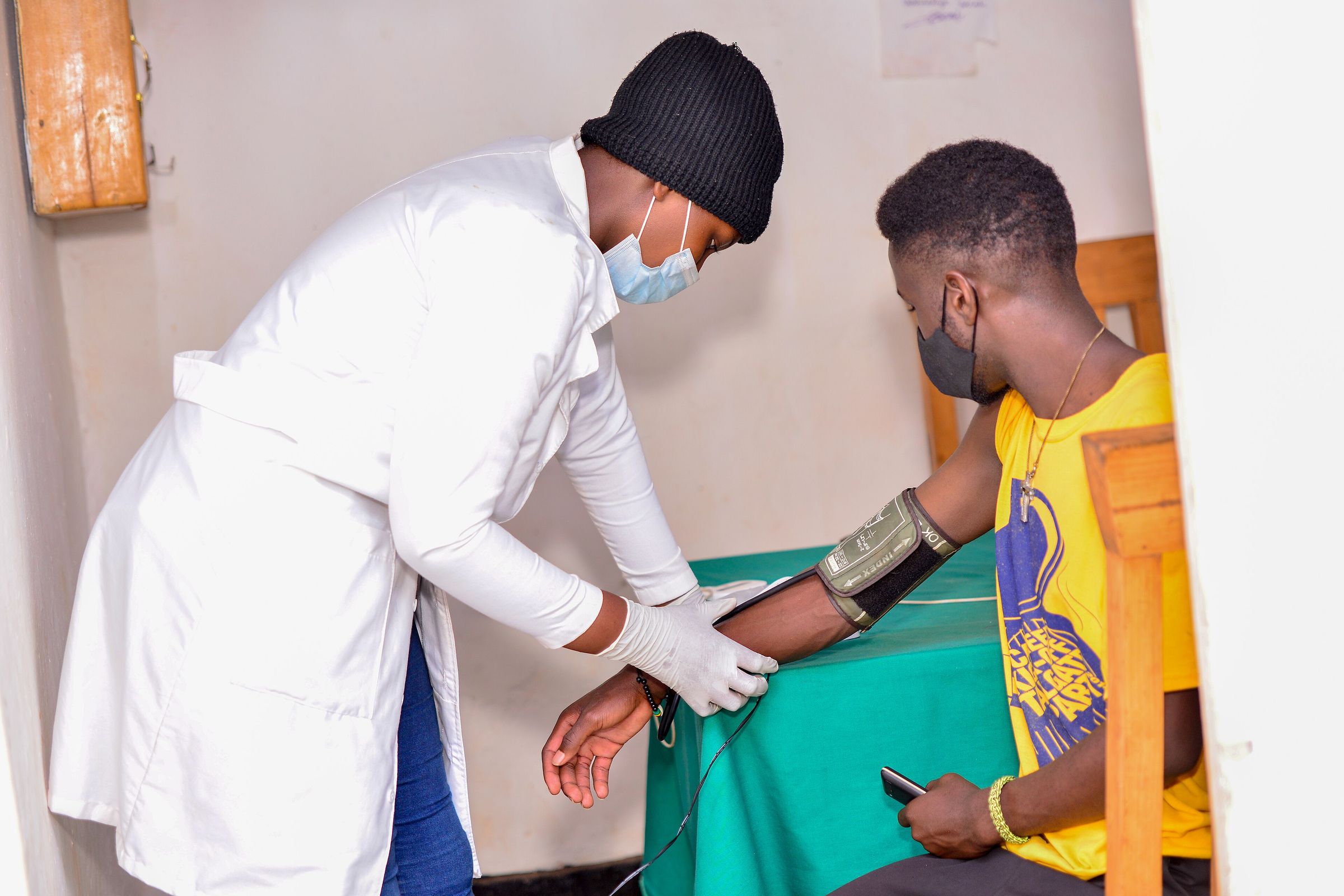
A health worker checks a young man’s blood pressure during a community screening in Rwanda

02

Expanding access

Bringing quality care closer to people through primary care integration, community health systems, task sharing and peer support.

  • Care in health centres, not only hospitals
  • Community and peer-support networks
  • A trained, supported workforce
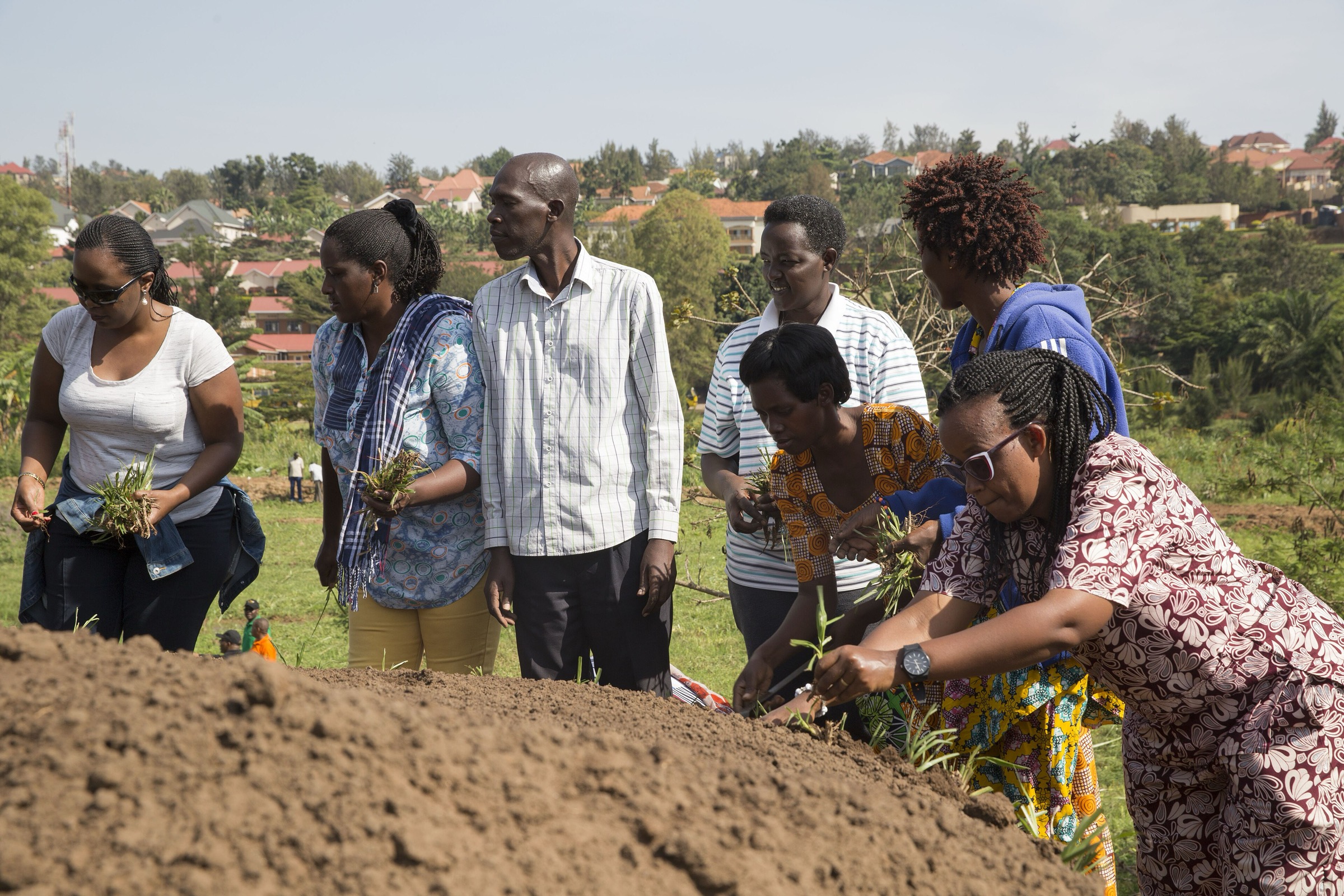
Community members planting seedlings together during Umuganda in Kigali

03

Changing lives

Measuring success in people: dignity, recovery and inclusion, with those who have lived experience shaping policy as equal partners.

  • Nothing about us without us
  • Ending stigma and discrimination
  • Hope, recovery and participation

The case for action

The need is vast. The gap can be closed.

Mental health conditions are among the leading causes of disability worldwide, yet they receive a small share of health budgets.

1bn+

people worldwide live with a mental health condition

Source: WHO, 2025

727k

lives lost to suicide every year, many of them young people

Source: WHO, 2021 data

US$1tn

in productivity lost each year to depression and anxiety alone

Source: WHO

The host country’s treatment gap

Most people know help exists. Very few reach it.

Rwanda’s nationwide survey shows that access, not awareness alone, is the challenge, and why bringing care closer to communities matters for every health system.

of Rwandans live with a mental disorder

20.5%

know mental health services exist

61.7%

have ever used those services

5.3%

Source: Rwanda Mental Health Survey, 2018 (n = 19,110)

On the agenda

From dialogue to measurable progress

Priorities raised by governments, the WHO 2030 mental health targets, and civil society and people with lived experience across Africa.

  1. 1

    Suicide prevention as a continental priority

    Remove legal barriers, including the criminalisation of suicide, and make prevention a core component of national and regional strategies, guided by the WHO LIVE LIFE framework.

  2. 2

    Accountability for existing commitments

    Increase domestic investment and report progress against measurable mental health indicators, so that declarations become delivery.

  3. 3

    Workforce and community systems

    Prioritise community-based care, integration into primary health care and peer support systems, the first point of contact for most people in distress.

  4. 4

    Lived experience leadership

    Recognise people with lived experience as equal partners in shaping policy, services and the mechanisms that hold them to account.

  5. 5

    Mental health and human rights

    Align laws and services with the UN Human Rights Council resolution on mental health and human rights and the Convention on the Rights of Persons with Disabilities.

Key dates

The road to the summit

  1. 1 October 2025

    Rwanda announced as host in Doha

  2. 12 August 2026

    Dates and theme confirmed

  3. Now

    Expressions of interest

    Open now
  4. Late 2026

    Programme, venue and accreditation

  5. 30 March 2027

    Summit opens in Kigali

Since 2018

From London to Kigali

Each summit has moved mental health further up the political agenda. Kigali is the first host on the African continent.

  1. 1st summit

    2018

    London

    United Kingdom

    “Equality for Mental Health”: the first meeting of international ministers focused solely on mental health.

    Declaration
  2. 2nd summit

    2019

    Amsterdam

    Netherlands

    “Mind the Mind Now”: mental health and psychosocial support made integral to every crisis response.

    Declaration
  3. 3rd summit

    2021

    Paris

    France

    “Mind Our Rights, Now!”: rights-based, quality care systems in the shadow of the pandemic.

    Summit report
  4. 4th summit

    2022

    Rome

    Italy

    “Skills, Rights, Care”: a community-focused approach, building on Italy’s pioneering deinstitutionalisation.

    Chair report
  5. 5th summit

    2023

    Buenos Aires

    Argentina

    “Mental Health in All Policies”: the first summit held in Latin America.

    News (ES)
  6. 6th summit

    2025

    Doha

    Qatar

    “Investment, Innovation and Digital Solutions”: the first summit in the Middle East.

    Summit website
  7. 7th summit

    2027

    Kigali

    Rwanda

    “Mental Health for All”: the first summit on the African continent.

Kigali city lights at dusk
Aerial view of the Kigali Convention Centre
Neighbours working together during Umuganda community work

Host country

Why Rwanda

Three decades after the Genocide against the Tutsi, Rwanda has rebuilt its health system with mental health at its heart: decentralised to every district, integrated into primary care and rooted in communities.

Kigali is one of Africa’s safest, cleanest and best-connected capitals, and a city built for convening.

Who takes part

Every voice that shapes mental health

Ministers & government delegations

Health, finance, education and social-protection leaders setting national direction.

Policymakers & multilaterals

UN agencies, regional bodies and the officials who turn commitments into plans.

Researchers & academics

Evidence on what works, what it costs and how to scale it.

Mental health professionals

Psychiatrists, psychologists, nurses, community health workers and counsellors.

Development partners

Funders and implementers investing in sustainable, country-led systems.

Civil society & lived experience

Advocates and people with lived experience, partners in every conversation.

Young leaders

The generation most affected, and most determined to change the story.

Media

Journalists committed to responsible, stigma-free reporting on mental health.

Join us in Kigali

Register your interest to attend, partner, host a side event or cover the summit. We will be in touch as places and accreditation open.

30–31 March 2027 · Kigali, Rwanda

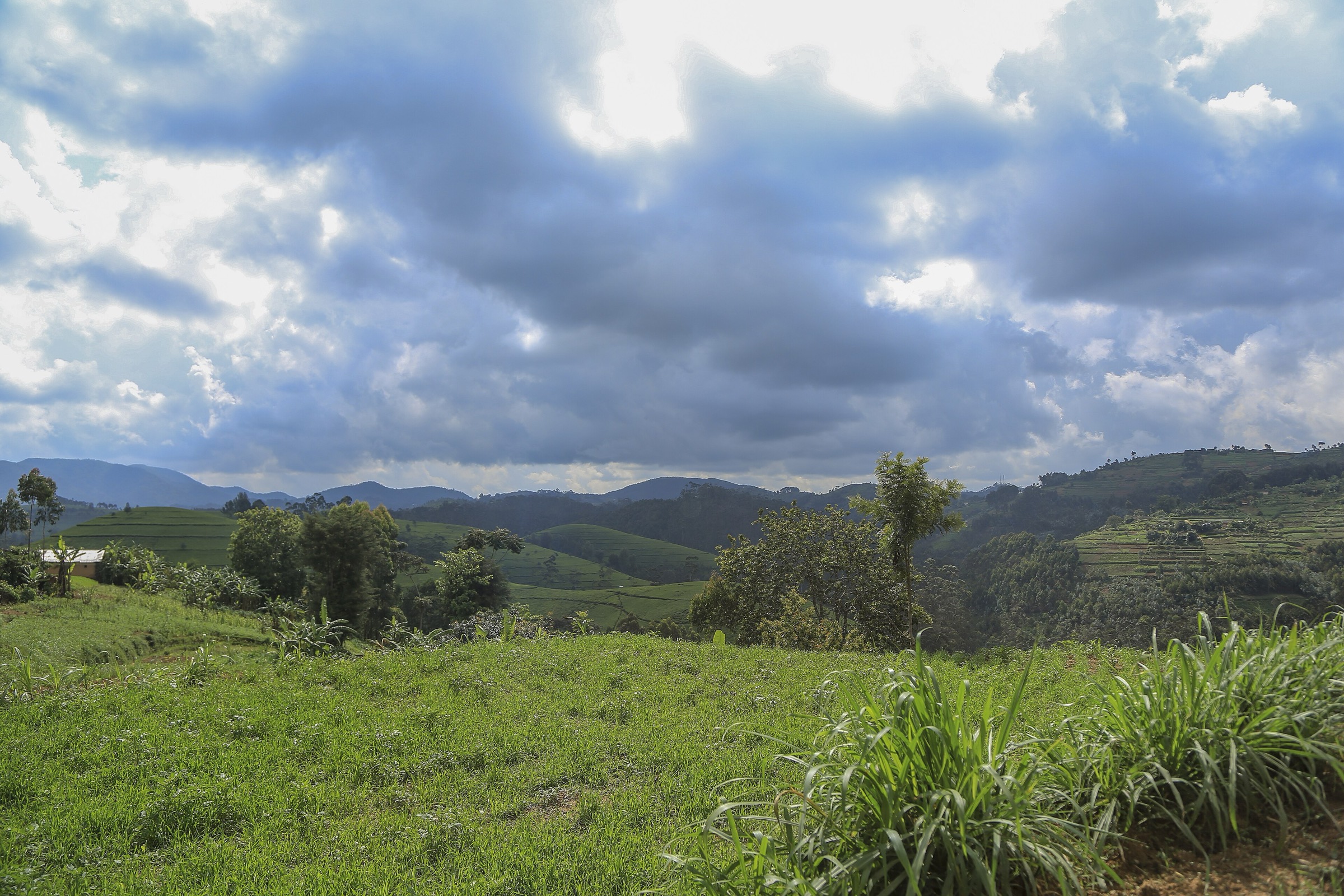
Clouds over the green hills of rural Rwanda